



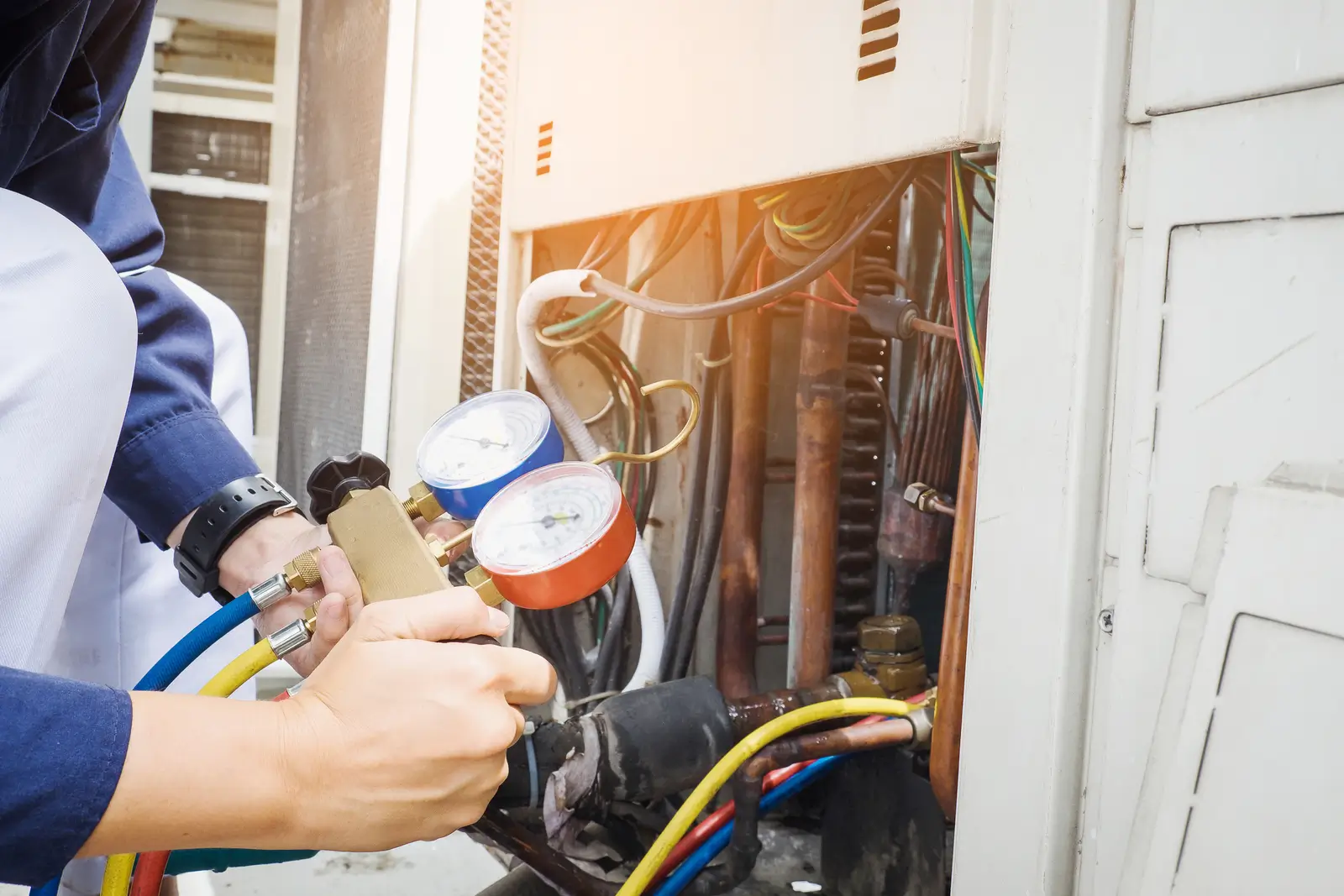
HVAC systems are one of the most expensive and critical property systems in any San Antonio rental property. In a region where cooling is needed year-round, systems operate under constant pressure from intense heat, high humidity, and extended run times.
Without proper maintenance planning, these systems often fail earlier than expected. The result is costly repairs, rising tenant complaints, and a noticeable decline in property value. Many San Antonio landlords fall into a reactive cycle, addressing problems only after they disrupt tenants or require urgent attention.
A proactive approach to HVAC lifecycle planning changes that dynamic. With the right strategy, property owners can reduce long-term costs, maintain consistent property condition, and improve tenant satisfaction. At Davidson Properties, we help property owners implement structured property management strategies that prioritize proactive maintenance and long-term asset performance.
Continue reading to learn how to build a smarter HVAC lifecycle plan for your San Antonio rentals.
Key Takeaways
- Proactive maintenance planning helps property owners avoid costly repairs and extend the lifespan of HVAC systems.
- Preventive maintenance improves air quality, energy efficiency, and tenant satisfaction in San Antonio rentals.
- Budgeting for HVAC replacement supports long-term property value and reduces financial surprises.
- Clear maintenance responsibilities help prevent tenant complaints and protect the overall condition of the property.
Understanding HVAC Lifespan in San Antonio’s Climate
How Long Does an HVAC System Last in San Antonio?
In hot climates like San Antonio, HVAC systems tend to wear down faster due to continuous use and environmental stress. Systems over 15 years old should be evaluated more closely, particularly if performance begins to decline or repair frequency increases.
According to the U.S. Department of Energy, routine maintenance plays a major role in extending system lifespan and preventing early breakdowns.
Why San Antonio’s Climate Accelerates Wear
San Antonio’s climate creates a demanding environment for HVAC systems. Long cooling seasons, high humidity, and consistent exposure to sunlight all contribute to system strain.
Over time, these conditions impact key components and reduce overall efficiency. For property owners, this means maintenance planning is necessary to keep systems running reliably.
Maintenance Planning: A Proactive Approach to HVAC Longevity
Maintenance planning is about shifting from reactive fixes to proactive care. Instead of waiting for breakdowns, property owners schedule regular servicing and inspections to prevent issues from escalating.
A strong maintenance strategy typically includes scheduled and routine inspections, as well as regular servicing throughout the year. These steps help identify minor issues early, reducing the risk of major problems later.
The Department of Energy highlights that consistent servicing improves system efficiency and helps avoid unnecessary repair costs.
When done correctly, proactive maintenance allows property owners to stay ahead of issues, control expenses, and maintain a more stable property condition.
Essential HVAC Maintenance Tasks for Rental Properties
Routine HVAC maintenance tasks are essential for maintaining performance and preventing breakdowns. While some tasks require professional servicing, others can be handled more frequently as part of regular property upkeep.
Key tasks include:
- Replacing HVAC filters regularly to maintain airflow
- Inspecting and cleaning system components
- Checking refrigerant levels and electrical connections
Beyond these basics, consistent maintenance also improves air quality and supports better energy efficiency. The Department of Energy confirms that properly maintained systems operate more efficiently and use less energy.
A property manager plays a critical role in coordinating these efforts, ensuring maintenance responsibilities are handled consistently and on schedule.
Budgeting for HVAC Repairs and Replacement
Planning for HVAC costs is a key part of long-term property management. Systems will require both ongoing repairs and eventual replacement, so budgeting ahead is essential.
Rather than reacting to unexpected failures, property owners should build reserves for major repairs and future system upgrades. This approach reduces financial strain and allows for more strategic decision-making.
Partnering with a team that provides maintenance coordination can simplify this process.
With proper planning, HVAC expenses become predictable, helping property owners maintain stronger control over property upkeep and overall investment performance.
Repair vs. Replacement: Making Smart Investment Decisions
One of the most common challenges property owners face is deciding when to repair an HVAC system and when to replace it. While minor issues can often be resolved with timely repairs, repeated breakdowns may indicate a larger problem.
Warning signs of a failing system often include reduced efficiency, inconsistent cooling, and declining air quality. Over time, repair costs can add up, making replacement a more cost-effective option.
Evaluating total repair expenses alongside system age and performance helps property owners make informed decisions. In many cases, replacing an aging system improves reliability and reduces long-term costs.
Roles and Responsibilities in HVAC Maintenance
Clear maintenance responsibilities are essential for avoiding confusion and ensuring consistent care. Landlords are generally responsible for major repairs, system servicing, and overall functionality.
Tenants also play a role in maintaining the HVAC system. This typically includes replacing filters and reporting issues early. These expectations should be clearly outlined in the lease terms to avoid misunderstandings.
Property management teams help bridge the gap by coordinating maintenance, handling vendor communication, and ensuring all parties meet their responsibilities.
Preventing Tenant Complaints and Protecting Property Value
HVAC performance directly impacts tenant satisfaction, especially in San Antonio, where reliable cooling is essential. Systems that are poorly maintained often lead to tenant complaints, particularly during periods of intense heat.
Consistent maintenance helps create a more comfortable living environment by improving air quality and maintaining stable indoor temperatures. The Environmental Protection Agency notes that indoor air quality plays a significant role in occupant comfort and health.
For property owners, this translates into better tenant retention and stronger property value over time.
Integrating HVAC into Full Property Maintenance Strategies
HVAC systems are just one component of a broader property maintenance plan. To maintain the overall condition of the property, owners must also consider other systems, such as plumbing fixtures, attic insulation, and exterior surfaces.
Regular inspections, including move-in inspections and move-out inspections, provide valuable insight into property condition and help identify issues early. These inspections also support better maintenance planning.
Technology can further streamline these processes. Tenant portals and owner portal systems allow for efficient tracking of maintenance requests and communication.
Financial tracking is equally important, and property owners can monitor expenses using proven accounting tools.
Seasonal and Environmental Risks in San Antonio
San Antonio properties face environmental challenges that can impact HVAC performance. Seasonal storms, heavy rains, and flash flooding can all contribute to system wear or damage.
To minimize risk, property owners should ensure proper drainage around HVAC units and conduct inspections after severe weather events. A thorough inspection following extreme conditions can help identify potential issues before they worsen.
Combined with high humidity and year-round usage, these environmental factors make proactive maintenance even more important.
Building a Long-Term HVAC Lifecycle Strategy
Developing a long-term HVAC lifecycle strategy allows property owners to take control of maintenance and replacement planning. This involves tracking system performance, scheduling regular inspections, and forecasting future needs.
Aligning maintenance planning with investment goals helps ensure the property remains competitive in the San Antonio rental market. It also supports more consistent financial performance.
Operational efficiency also plays a role. Tools like online rent collection help streamline property management processes and support overall efficiency.
FAQs
1. How often should HVAC systems be serviced in San Antonio rentals?
HVAC systems should be monitored regularly, with air filters checked monthly during peak use and professional service scheduled at least once a year. This helps maintain performance and prevent costly repairs.
2. Who is responsible for HVAC maintenance in a rental property?
Landlords typically handle major repairs and system maintenance, while tenants are responsible for basic upkeep, such as replacing filters and reporting issues. Lease terms should clearly define these responsibilities.
3. When should I replace instead of repairing my HVAC system?
If your system shows declining performance, requires frequent repairs, or is older, replacement may be more cost-effective. Evaluating long-term repair costs can help guide the decision.
4. How does HVAC maintenance affect tenant satisfaction?
Consistent maintenance improves air quality, system reliability, and indoor comfort. This reduces tenant complaints and supports better retention.
A Smarter Way to Protect Your Investment
HVAC lifecycle planning is not just about maintaining equipment. It is about creating a more predictable, efficient, and profitable rental property.
In a market like San Antonio, where systems operate under constant demand, proactive maintenance gives property owners a clear advantage. It reduces disruptions, improves tenant experience, and supports long-term property value.
Davidson Properties helps protect property owners' investments and simplify property management. If you are ready to take a more strategic approach to HVAC planning, our team is here to help you stay ahead and maximize your results. Contact us today to schedule a free consultation!
